
Heavy Bleeding During Periods: When Should You Consult a Gynaecologist?
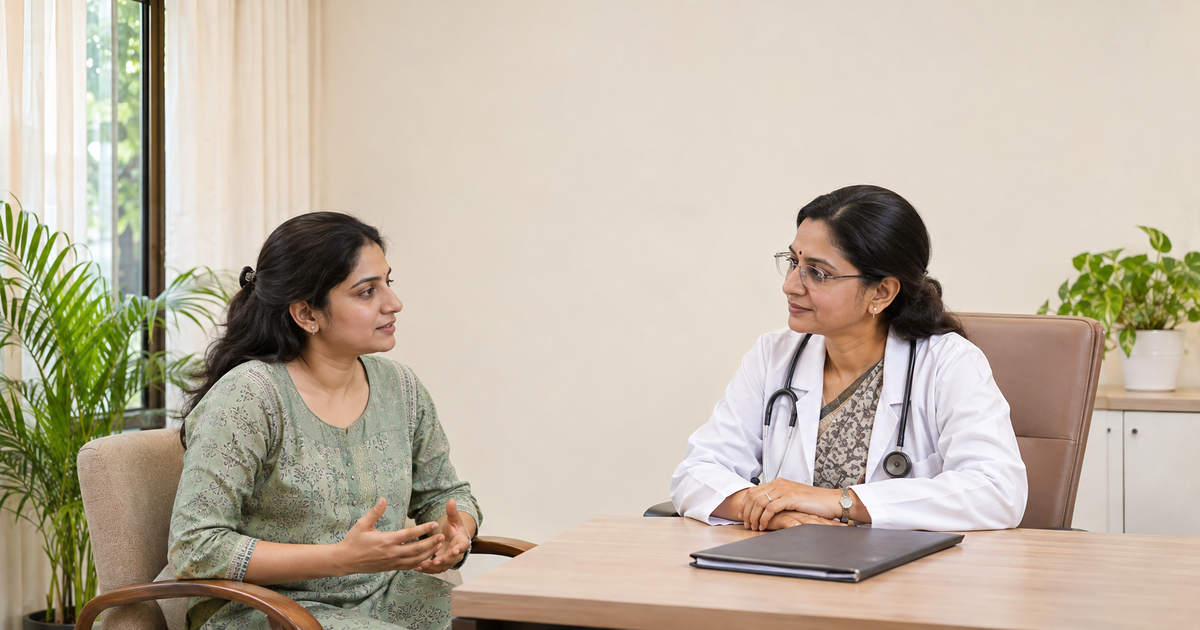
Planning your day around pad changes or worrying about leaks can be a sign that your periods need medical attention. Heavy menstrual bleeding is worth discussing when it disrupts work, sleep or everyday activities. You do not need to measure blood loss precisely before seeking help. At Virk Hospital, Karnal, women can consult the gynaecology department for menstrual concerns and guidance on the next steps.
Recognising heavy periods
Your usual pattern matters, but these changes can suggest unusually heavy or prolonged menstrual bleeding:
- Needing to replace a soaked pad or tampon every one to two hours.
- Bleeding for more than seven days or passing clots larger than about 2.5 centimetres.
- Using extra protection, changing products overnight, or leaking onto clothes or bedding.
- Missing normal activities because bleeding is difficult to manage.
Repeated blood loss can reduce iron stores and cause iron deficiency anaemia. Tiredness, weakness or breathlessness may follow. These symptoms deserve assessment rather than being accepted as part of every period.
Possible causes of heavier bleeding
Fibroids and polyps are usually noncancerous growths that can cause bleeding. Adenomyosis, where tissue similar to the womb lining grows into its muscle wall, can cause heavy, painful periods. Changes in ovulation, including those associated with PCOS or the years before menopause, may also affect bleeding.
Other possibilities include bleeding disorders, a copper intrauterine device and medicines such as blood thinners. Less commonly, abnormal bleeding can signal changes in the womb lining, including cancer. Symptoms alone cannot identify the cause. Bleeding associated with pregnancy needs a separate assessment and should not automatically be treated as a period.
When to book an appointment or seek urgent help
Arrange a consultation with a gynaecologist in Karnal if bleeding repeatedly affects your routine, lasts longer than usual, or comes with severe period pain. Bleeding between periods, after sex or after menopause also needs medical evaluation.
Seek emergency care if you soak a pad or tampon every hour for more than two hours and feel dizzy or faint, have chest pain, or become short of breath. Rapid ongoing bleeding also needs urgent advice. If pregnancy is possible and bleeding is accompanied by severe abdominal pain or faintness, seek urgent care immediately.
Tell your doctor how bleeding affects sleep, work and exercise, even if the pattern has been similar for years. Needing to organise life around your period is a valid reason to seek care. Do not postpone an appointment simply because a relative has always experienced the same problem.
What your doctor may check
Bring a record of bleeding dates, product changes, clots and symptoms. Tell your doctor about pregnancy plans, contraception, medicines, easy bruising and any family history of bleeding problems. This information helps guide assessment.
A full blood count checks for anaemia. A pregnancy test, examination or pelvic ultrasound may be appropriate depending on your history. Selected patients may need hysteroscopy to view the womb cavity or a sample of its lining. Thyroid and clotting tests are considered when symptoms or history suggest a reason; every patient does not need every test.
How treatment is chosen
Heavy menstrual bleeding treatment in Karnal should address the underlying cause and your priorities. Options may include prescribed medicines to reduce bleeding, hormonal treatment or a hormone-releasing intrauterine system. Iron replacement may be needed if deficiency is identified.
Procedures may be considered for certain growths, persistent symptoms or unsuccessful medical treatment. Discuss future pregnancy before choosing treatment because some procedures affect fertility. Avoid starting hormonal medicines or stopping prescribed blood thinners without medical advice.
Frequently asked questions
Can heavy bleeding occur with regular periods?
Yes. A predictable cycle can still involve excessive bleeding, so regular timing does not rule out a problem.
Will I definitely need surgery?
No. Many women can consider medical options first. The cause, severity and personal preferences guide the decision.
Can diet alone correct the problem?
Iron-rich food supports nutrition, but ongoing bleeding and anaemia may need medical treatment. Diet cannot establish the cause.
Consult Virk Hospital in Karnal
If you are looking for a gynaecology hospital in Karnal for persistent menstrual concerns, book a gynaecology consultation at Virk Hospital, Karnal. Bring previous reports and your cycle record to support an informed discussion.
Sources
- NHS — Heavy periods — Signs, daily impact and treatment options.
- ACOG — Abnormal Uterine Bleeding — Causes, emergency warning signs and diagnostic assessment.
- NICE NG88 — Heavy menstrual bleeding recommendations — Blood count, selective investigations and treatment planning.
- CDC — About Heavy Menstrual Bleeding — Anaemia, symptom records and individual treatment priorities.